An Indian destination wedding in Marrakech starts with the programme your family actually wants. Traditions vary between families, faiths and communities; a mehndi, sangeet, ceremony or reception should be included because it belongs to your celebration. Use this checklist to turn that programme into a brief that your planner and local production team can assess together.
1. Start with the family's programme
List each gathering, its guest count, preferred setting and duration. Specify any ceremony specialist, music, seating, preparation room or dietary requirement. Appoint the people who can approve the programme, design and expenditure so the teams receive one clear decision.
If the programme includes a mehndi or sangeet, decide whether it shares a venue with the main wedding. Allow time for guests to rest and for the production crew to reset lighting, furniture and decor between celebrations.
2. Match the venue to the ceremonies
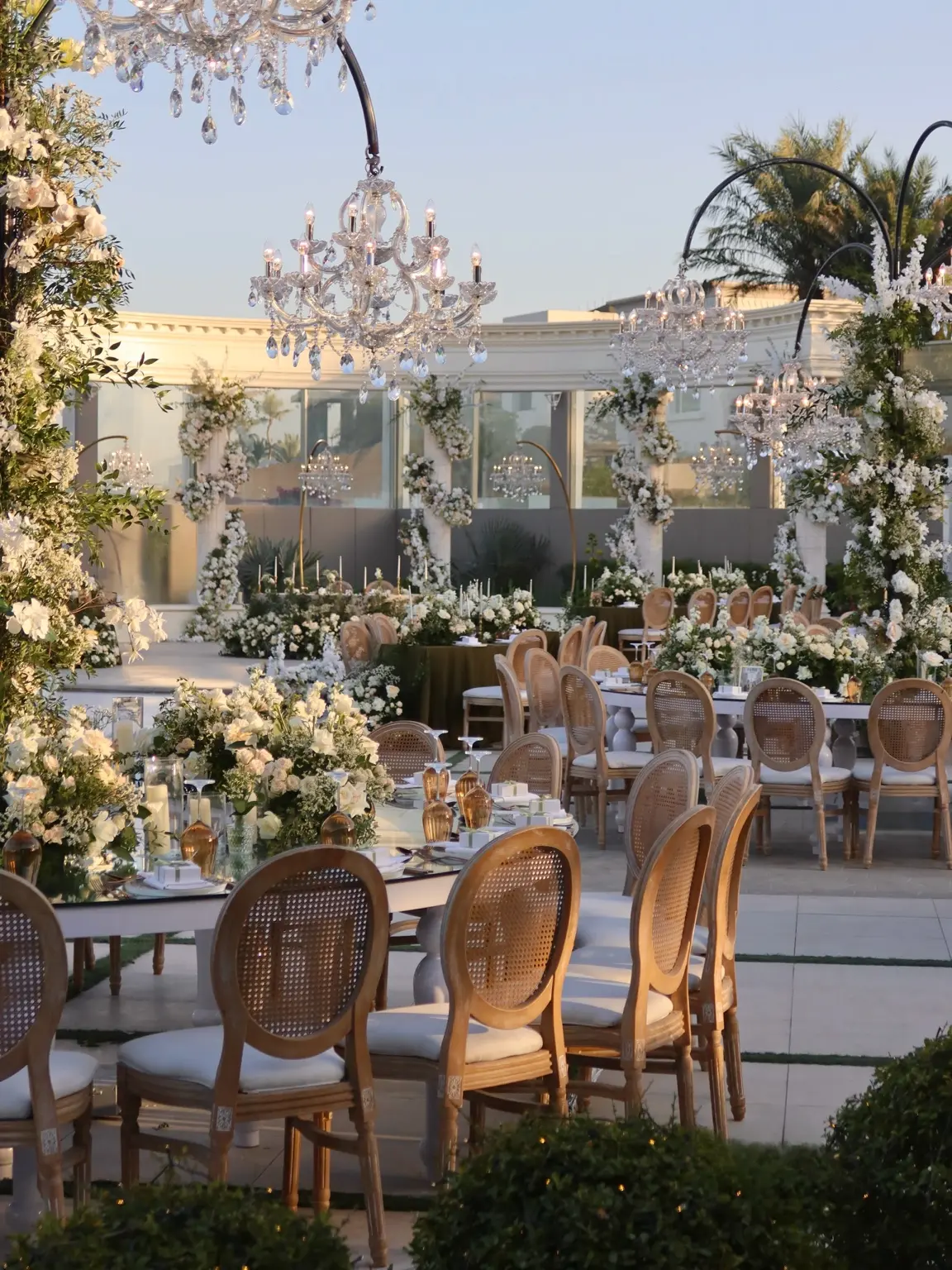
A garden, private estate or palace-style setting needs a technical review alongside the visual selection. Check ceremony space, guest circulation, covered alternatives, power, kitchens, toilets, supplier access and installation time.
Where a mandap, procession, flame or other ceremonial feature is requested, share the exact requirements with the venue and the specialist leading the ceremony. Obtain the venue's written agreement and define the installation and operating arrangements before confirming the design. Never assume that a beautiful courtyard can accommodate every ceremony.
4. Bring specialist and local teams together
Your lead planner should identify who supplies ceremony expertise, music, beauty, attire support and any cultural elements essential to the family. Some specialists may travel with the client; others may be sourced for the brief. Their availability and scope need confirmation.
The Marrakech production team can then coordinate the venue, agreed local suppliers, decor, catering and technical schedule. Record who approves each supplier, who contracts them and who directs their work on site. A single shared programme helps keep the family, lead planner and local crew aligned.
5. Design the guest journey across several days
Prepare an arrival and departure list, accommodation preferences, transfer needs and a clear programme for each gathering. Guests travelling from India, the UK, North America or different countries may arrive at different times. Avoid placing an essential ceremony immediately after an uncertain arrival window.
Share dress guidance, assistance contacts and the information guests need in a mobile-friendly format. Build in travel time between venues, rest periods, accessibility needs and any child arrangements requested by the families.
6. Price the complete production
Ask for an itemised scope separating venue hire, food and service per guest, design, furniture, technical production, specialist travel, accommodation, transport, planning fees and applicable taxes. Compare the same inclusions when reviewing proposals.
Changing venues or designs between events can require extra transport, installation and crew time. Agree the approval process for changes and the payment milestones in the contract. A meaningful quotation needs dates, guest numbers, the programme and a working budget; a single price per person rarely explains the entire production.
Continue your planning
For agencies: explore a Marrakech production partnership Discuss catering and dietary requirements Explore our wedding portfolioFAQ
Frequently asked questions
Can our Indian wedding planner work with a Marrakech team?
Yes. A lead planner and a local production team can agree a shared scope covering venues, suppliers, technical preparation and on-site delivery. Client contact, approvals and responsibilities should be documented.
Can we include a mehndi or sangeet?
Share the events you wish to include, guest counts, timings and production requirements. The venue, staffing, sound and design are assessed against the actual programme before confirmation.
Can vegetarian or Jain menus be arranged?
Send the precise dietary brief, including ingredients to exclude and any preparation requirements. The appropriate culinary team must confirm feasibility and the final menu before booking.
What information is needed for an initial proposal?
Your dates, guest count, number of celebration days, preferred setting, family and cultural requirements, services already booked and working budget. Indicate which details are still open.